Traditional Moroccan Arts and Crafts
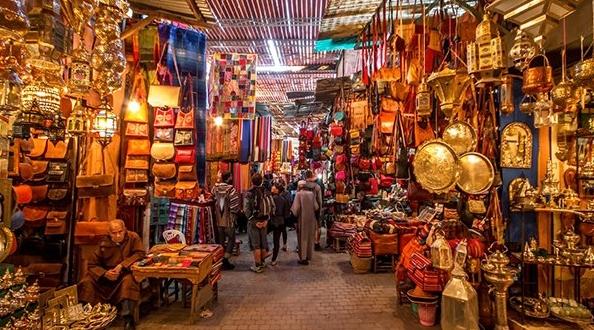
Traditional Moroccan art includes a rich history of craftsmanship, including: Textiles, pottery, zellij, Islamic calligraphy and metalworkZellige, or mosaic, is an iconic art form that decorates mosques, palaces, and public spaces with intricate geometric patterns. Moroccan textiles, such as Berber rugs and embroidered clothing, are also renowned for their unique designs and traditional techniques.
Zellige (mosaic):
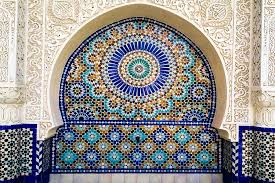
A distinctive hallmark of Moroccan architecture and art, using colorful tiles in intricate geometric patterns.
Textiles:
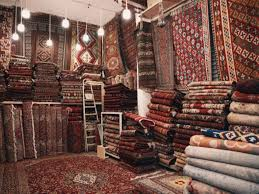
Berber rugs, woven blankets and embroidered clothing, often in bright colors and intricate designs.
Pottery:
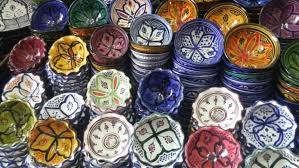
It is known for its vibrant colors, intricate patterns, and functional designs, with regional variations such as the blue pottery of Fez and the hand-painted pottery of Safi.
Islamic calligraphy:
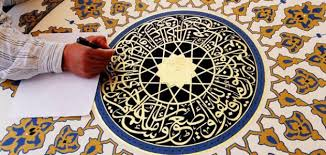
They are found in mosques and homes, adding spiritual and artistic elements to the design.
Wood carving:
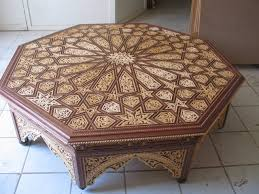
It is used in doors, windows and other architectural elements, displaying detailed and artistic designs.

Including wrought iron and ‘dinandiri’ (a type of metal art), used in decorative and functional objects.
jewelry:
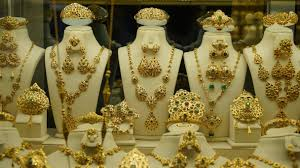
Intricately designed silver jewelry with symbolic patterns and engravings, passed down from generation to generation.
Decorations (wood drawing):
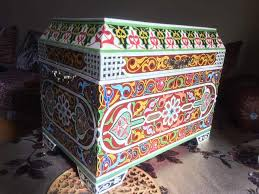
Traditional painting technique used to decorate woodwork, particularly in cities such as Fez and Marrakech.
Carpet weaving:
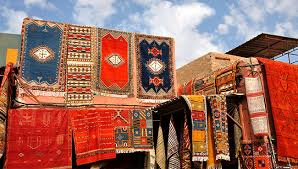
A long-standing tradition with regional variations, including urban rugs from cities like Rabat and Marrakech, and rural Berber rugs.
Leather industry:
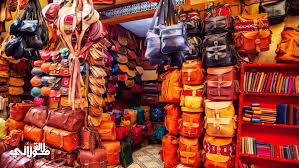
A craft known for its unique designs, patterns and functional uses.